Texas Amnio · Birth Tissue Donation
You can be the one.
Birth tissue is often thrown away. A simple donation can transform discarded tissue into a valuable resource for healing.
No cost to donors
Ethical tissue recovery
Physician-guided process
Supports healing applications
Operating Principles
A coordinated framework for ethical tissue recovery and clinical distribution.
01
Ethical Tissue Recovery
Recovery occurs only after informed consent obtained prior to delivery, with no impact on the patient's birth plan.
02
Clinical Partnerships
We work alongside hospitals and surgical teams to integrate recovery into existing labor and delivery workflows.
03
Regenerative Applications
Processed tissue supports licensed physicians in wound, ocular surface, and reconstructive procedures.
A Gift That Continues
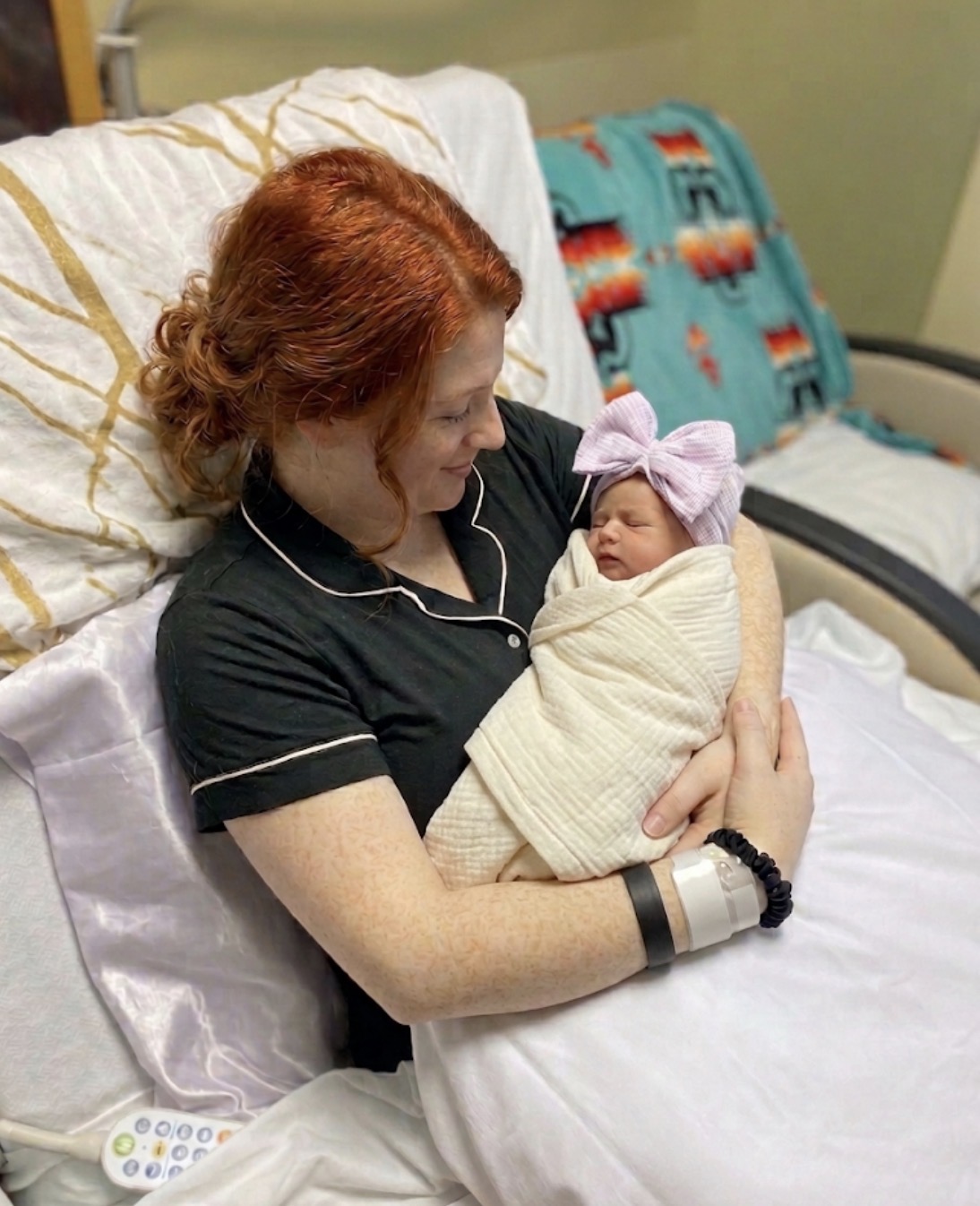
From one delivery
Tissue that is otherwise discarded after a healthy birth can, with your consent, become biological coverage for a burn patient, support a surgeon repairing a wounded eye, aid wound healing, or provide graft materials used in periodontal and oral surgical procedures. The decision is voluntary, confidential, and changes nothing about your delivery.
Clinical Applications
Where the tissue is used.
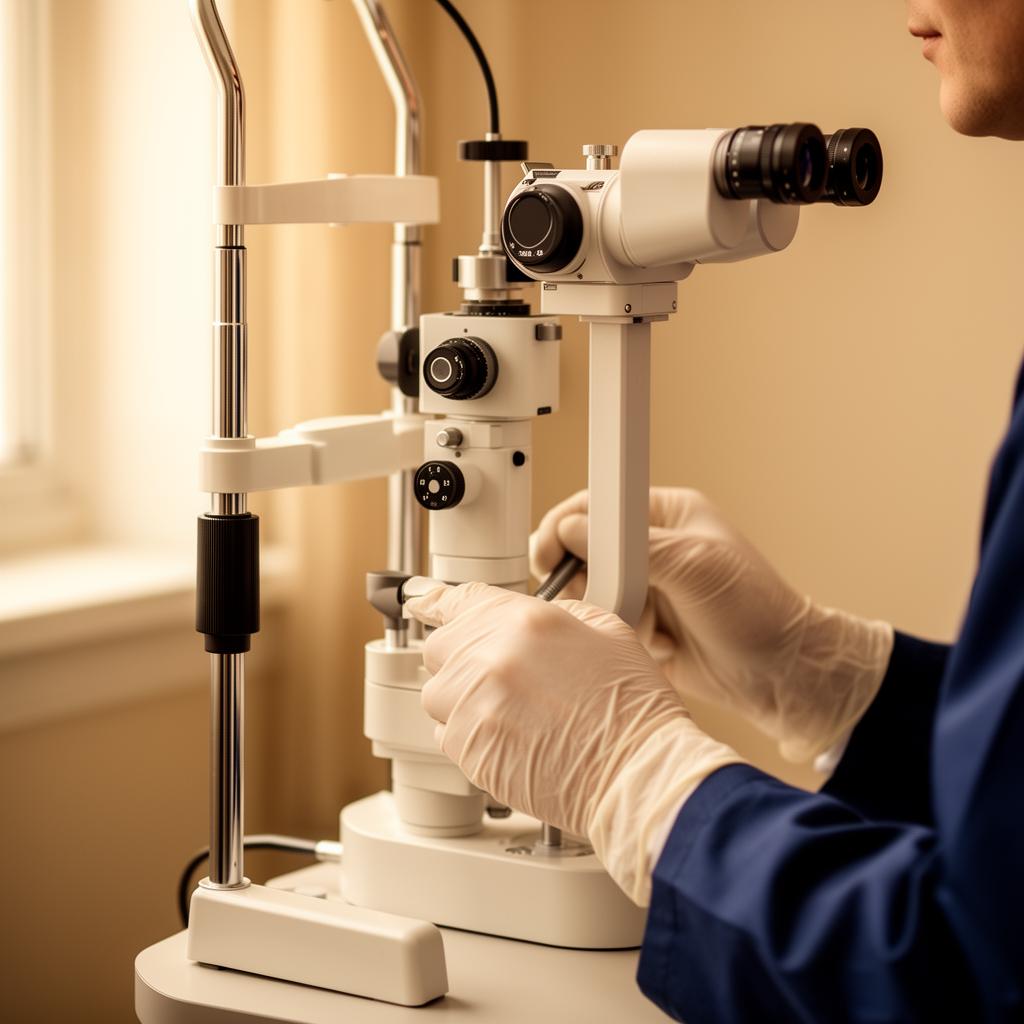
Indications are determined by the treating physician. The following represent recognized clinical contexts in which amniotic and placental tissue have been studied or applied.
Burn Wound Coverage
Temporary biological coverage of partial- and full-thickness burns.
Ocular Surface Reconstruction
Adjunct in corneal and conjunctival surface repair.
Periodontal and Regenerative Procedure
Used as a biologic barrier membrane or supportive matrix in periodontal surgery, oral wound healing, and select implant-related bone grafting procedures.
Chronic Wound Management
Supportive coverage in non-healing wounds under physician care.
Donor FAQ
Answers to the questions families ask most.
Why is donation worth considering?
A single placenta can yield 50 to 100 allografts for medical use. That one decision at delivery may contribute to the recovery of patients living with burns, chronic wounds, or injuries that are resistant to standard healing.
What does the process look like after I agree?
It's a simple process. You'll fill out an informed consent form and a health history questionnaire, much like you would for blood donation. Once your baby is born, the birth tissue is carefully collected and sent for processing into therapeutic allografts.
What happens to the tissue if I decline?
If donation does not occur, birth tissue is disposed of as medical waste following delivery.
Will I need any extra procedures?
Not at all. Your birth plan and medical care remain completely unchanged. Tissue collection takes place after delivery and does not interfere with your birthing experience in any way.
What exactly is the amniotic membrane?
Also referred to as the amnion, the amniotic membrane is the innermost layer of the placenta. Together with the surrounding membranes and amniotic fluid, it forms the protective environment that surrounds and nourishes your baby throughout pregnancy. When donated, this tissue supports healing and regenerative medical treatments.
How is amniotic tissue used in medicine?
Amniotic tissue has a long-standing history in clinical medicine, spanning several decades of use across wound care, burn management, periodontal grafting, eye surgery, orthopedic procedures, post-surgical recovery, and regenerative therapies. Its inherent biological properties promote tissue repair and make it a versatile resource in patient care.
Does donating birth tissue affect cord blood banking?
No. Cord blood preservation for personal or family use and birth tissue donation are entirely compatible, and you may pursue both options simultaneously.
Is everyone eligible to donate?
Eligibility is determined by your medical history, type of delivery, and whether your hospital participates in donation. Both cesarean deliveries and many vaginal deliveries may meet the criteria.
Are there health conditions that disqualify a donor?
Yes. Prospective donors are screened for communicable diseases and certain medical factors to protect the safety of tissue recipients.
Why is a blood sample required?
Federal regulations mandate testing of donor blood for communicable diseases. In most situations, this does not mean an extra needle stick, as the required sample can often be drawn alongside routine bloodwork already ordered during your hospital stay.
Will I be informed of my blood test results?
If a result warrants medical attention, your physician will be notified in accordance with applicable regulations. In cases where all results are within normal range, no further notification is typically required.
Am I responsible for any costs related to donation?
No. Donation carries no financial obligation for you, your family, or your insurance provider.
Is financial compensation available for donors?
No. Birth tissue donation is entirely altruistic and is a voluntary act of generosity with the sole purpose of supporting the health and healing of others.
Where does my donated tissue go?
After collection, donated birth tissue is processed into medical allografts used in a range of applications, including wound care, burn treatment, surgical procedures, and regenerative therapies aimed at promoting tissue healing and recovery.
Compliance & Standards
Operating within established regulatory frameworks.
Recovery, processing, and distribution activities are conducted in alignment with applicable U.S. regulations governing human cells, tissues, and cellular and tissue-based products (HCT/Ps), including 21 CFR Part 1271 where relevant.
Donor eligibility is established through screening criteria consistent with FDA guidance. Texas Amnio does not make clinical determinations or guarantee outcomes.